Search our journals and articles

2 / 2016

Revista: 2 / 2016
Anul Publicarii:2016
Print ISSN: 0255 0539
Revista Transilvania

Științe socio-umane

Arte vizuale

Filozofie și studii sociale

Antropologie și etnologie

Sociologie

Științe politice & juridice

Istorie & Antropologie

Studii culturale

Biblioteconomie

Științele limbii

Științele economice

Antropologie. Studii filozofice

Teologie

Autor: Pr. Constantin NECULA
Email: neculaconstantin@icloud.com

Education for Eucharist – training for martyrdom

In a world of continuous trainings tainted with diversity, Orthodoxy can bring back in the pedagogical/ educational ethos the pattern of the active/living Christian education: education for Eucharist. Repudiating/declining the idea of an easy religious education, based on ideologies through abstract methodologies, the Church proposes an eschatological, eucharistical and confessing education.

Keywords: Eucharist, education, Orthodoxy, martyrdom

  • Arhimandritul Serafim Alexiev, Puterea și ajutorul Sfinților (…) / The Power and the Aid of the Saints (…), Ed. Sophia, București, 2014.
  • Părintele Arsenie Boca, Icoane pentru suflet / Icons for the Soul, Agnos/Charisma, 2014.
  • Origen, Exortație la martiriu / Exhortation to the Martyrdom, cap. XXVII, col. PSB, vol. 8.
  • Pierro Milan, Crescere a credere. L’Annuncio della Fede nell’eta evolutiva, Edizione Dehoniane, Bologna, 2013.
  • Ioan Scărarul, Scara Raiului precedată de Viața pe scurt a lui Ioan Scolasticul și urmată de Cuvântul către Păstor / Stairway to Heaven preceded by The Abridged Life of John Scolasticus and followed by The Word to the Shepherd, Ed. Amarcord, 1994.
  • Arhimandritul Sofronie de la Essex, Taina vieții creștine / The Mystery of Christian Life, Suceava, 2014.
  • Mitropolitul Antonie de Suroj, Făcând din viață rugăciune, / Transforming Life into Prayer, ed. Sophia, București, 2014.
  • Arhimandritul Zaharia Zaharou, Răscumpărând vremea / Redeeming the Time, ed. Reîntregirea, Cluj-Napoca, 2014.
  • Sfântul Nicolae Velimirovici, Dicționarul Vieții veșnice / The Dictionary of Eternal Life, Ed. Egumenița, 2014. *** Cum se ne rugăm ca să ne asculte Dumnezeu rugăciunea / How We Should Pray So That the Lord Listens

Studii literare

Autor: Mihai IGNAT
Email: klein.2000@yahoo.com

Proper names of the characters in novels written by Duiliu Zamfirescu

The aim of this study are proper names of the characters in novels written by Duiliu Zamfirescu, respectively the cycle known as Comăneştenii (which includes the volumes: Country Life, Tanase Scatiu, During the war, Straightenings and Anna) and the novel Lydda. Poet, playwright and novelist, Duiliu Zamfirescu remains in the history of Romanian literature through the series of novels dedicated to the Comăneşteni-family, as a precursor to domestic realism and as an author with modern insights, although contradicted by the obsolescence of his prose. On the onomastic level, his text proves to be interesting enough, even if not very rich in meanings, and reflects a realistic poetic type, which means the adequacy of the environmental and character names, avoiding symbolic or caricatured harshness.

Keywords: Romanian literature, Duiliu Zamfirescu, proper names, novel cycle, realism, typology.

  • Ioan Adam, Introducere în opera lui Duiliu Zamfirescu / Introduction in the Work of Duiliu Zamfirescu, Minerva, București, 1979
  • George Călinescu, Istoria literaturii române de la origini până în prezent / The History of Romanian Literature, from Its Origins to the Present, 2nd ed., Minerva, București, 1985
  • Mihai Gafiţa, Duiliu Zamfirescu, E. P. L., București, 1969
  • Aureliu Goci, „Autenticitate și idilism în dimineaţa romanului” / „Authenticity and Idylism in
    the Morning of the Novel”, pref. to Romanul Comăneștenilor, Ed. 100+1 Gramar, București, 1999
  • Nicolae Manolescu, Istoria critică a literaturii române / The Critical History of Romanian Literature, Paralela 45, Pitești, 2008
  • Ion Negoiţescu, Istoria literaturii române / The History of Romanian Literature, vol. I (1800 – 1945), Minerva, București, 1991
  • Al. Săndulescu, Duiliu Zamfirescu, Tineretului, București, 1969
  • Tudor Vianu, Arta prozatorilor români / The Art of the Romanian Prosewriters, E. P. L., București, 1966
  • Tudor Vianu, Opere / Works, V, Minerva, București, 1975
  • Mircea Zaciu, Masca geniului / The Mask of the Genius, E. P. L., București, 1967
  • Duiliu Zamfirescu, Opere IV / Works IV, Lydda. Scrisori. Romane. Teatru / Lydda. Letters. Novels. Theaters, Minerva, 1974
  • Duiliu Zamfirescu, Romanul Comăneștenilor / The Novel of the Comăneșteanu Family, Ed. 100+1 Gramar, București, 1999
Autor: Rodica GRIGORE

History and Memory in Ismail Kadare’s Fiction

Ismail Kadare was often compared with many important writers of the Western canon, from Franz Kafka or Hermann Hesse to Elias Canetti from the point of view of his capacity to establish a parabolic dimension of his fiction. Besides, his ability of expressing the complex relationship established between the human being and a political regime that ignores the profound realities of mankind made Kadare one of the most outstanding representatives of a specific type of narrative, closely connected to the contemporary problems that preoccupy nowadays literature. Nevertheless, his great accomplishment consists in his great talent to analyze the Balkan region and all its tensions (interethnic, social and cultural) from a personal point of view. Kadare’s novels and short stories underline, besides, a mythical pattern and this Albanian writer’s fiction was sometimes interpreted as an original expression of a some kind of „Eastern Babel obsession”, as the literary critics used to say. The Palace of Dreams, The Three-Arched Bridge or Chronicle in Stone, some of his most accomplished writings, express also the author’s preoccupation for the inner mechanism of memory and its relationship to history. His fiction becomes, thus, more than a simple chronology of facts, turning into a lucid meditation regarding the implication of time passing and its consequences over any human society.

Keywords: contemporary novel, history, memory, symbolic fiction, parabolic writing, allegory.

  • Ismail Kadare, Palatul Viselor (The Palace of Dreams). Traducere de Marius Dobrescu, București, Editura Humanitas, 2007.
  • Ismail Kadare, Podul cu trei arce (The Three-Arched Bridge) . Traducere de Marius Dobrescu, București, Editura Humanitas Fiction, 2015.
  • Ismail Kadare, Vremea nebuniei. Cronică în piatră (A Climate of Lunacy. Chronicle in Stone). Traducere și note de Marius Dobrescu, București, Editura Humanitas Fiction, 2012.
  • Biblia (The Holy Bible), Institutul Biblic și de Misiune al Bisericii Ortodoxe Române, București, 1988.
  • Patrick Ourednik, Europeana: A Brief History of the Twentieth Century. Eastern European Literature (Europeana: O scurta istorie a secolului XX. Literatura est europeana ), Dalkey Archive Press, 2005.
  • Jean Chevalier, Alain Gheerbrant, Dicţionar de simboluri (Dictionary of Symbols. Myths, dreams, habits, gestures, forms, figures, coloures, numbers). Mituri, vise, obiceiuri, gesturi, forme, figuri, culori, numere, vol. 3 (P-Z), București, Editura Artemis, 1995.
  • Paul Zumthor, Babel sau nedesăvârșirea (Babel ou l’Inachevement). Traducere, prefaţă și note de Maria Carpov, Iași, Editura Polirom, 1998.
Autor: Irina Roxana GEORGESCU
Email: georg_irina@yahoo.com

Tastes, Spices, Flavours

The present article is a literary documentation regarding the diversity of tastes, spices and flavours that are surrounding us, as a significant part of our cultural identity. Seen not only as a primar need to feed ourselves, but also as an important section of our life, food is nevertheless a joy to express ourselves, to imagine new savours and on top of that a key to discover and understand the values of alterity. In literature describing food and drinks means also to reinvent misterious worlds of tastes and fragrances.

Keywords: tastes, flavours, fragrances, Ion Creangă, Mihail Sadoveanu.

  • M. Bahtin, François Rabelais și cultura populară în Evul Mediu și în Renaștere / François Rabelais and Popular Culture in the Middle Ages and the Renaissance, transl. by S. Recevschi, București, Editura Univers, 1974.
  • Ion Creangă, Povestea lui Harap-Alb / The Story of HarapAlb, in Povești, amintiri, povestiri / Tales, Memories, Stories, București, Cartea Românească, 1989.
  • Mădălina Diaconu, De gustibus. Breviar de gastrosofie / De Gustibus. Breviary of Gastrosophy, Editura Universităţii „Alexandru Ioan Cuza”, Iași, 2013.
  • Paul Freedman (coord.), Istoria gustului / The History of Taste, transl. by Raluca Cimpoieșu, Andra Stoica, Mădălina Tureatcă, București, Editura Vellant, 2008.
  • Jean-François Gautier, Istoria vinului / The History of Wine, transl. by Monica Frunză, pref. by Robert Tinlot, Iași, Editura Institutul European, 2010.
  • Mihail Sadoveanu, Hanul Ancuţei / Ancuța’s Inn, București, Editura Albatros, 1985.
  • Răzvan Voncu, O istorie literară a vinului în România / A Literary History of Wine in Romania, Editura Curtea Veche, București, 2013.
Autor: Bogdan HONCIUC
Email: honciucbogdan@yahoo.com

The Transcoding of Historical Reality into Fiction: Anti-Utopia in the Literary Work of Jonathan Swift and Dimitrie Cantemir 

 This article unfolds the similarities present in the works of two greatest minds of European Enlightenment, Jonathan Swift and Dimitrie Cantemir. We tried to approach them on the level of their common literary device, consisting in transcoding reality into fiction by using dystopia. ‚’Gulliver’s Travels’’ and ‚’Istoria ieroglifică’’ are hiding in their satires a similar mechanism of denouncing the corrupt and imperfect reality by using an apparent utopian world infested secretely with dystopian seeds. Almost utopian in their social harmony, the worlds visited by Gulliver are decayed and putrid in their substance. In the same way, the city of Epithimia in Cantemir work, so luminous and mesmerazing in its architecture, is the host of dystopia, the roots of evil and corruption represented by the godess idol Pleonexia, incarnation of cupidity and gold hunger that feeds the real society in Cantemir century. Our effort strived to demonstrate that in similar social and political conditions, the human mind replicates its techniques, artistic forms and inspiration.

Keywords: Enlightenment, Jonathan Swift, Dimitrie Cantemir, utopia, dystopia.

Surse primare:

  • Cantemir, Dimitrie, Descrierea Moldovei, postfață și bibliografie de Magdalena Popescu, București, Ed. Minerva, 1976, 208 p.
  • Idem, Istoria ieroglifică, postfață de Elvira Sorohan, Iași, Ed. Junimea, 1988, 648 p.
  • Jonathan Swift, Călătoriile lui Gulliver, traducere de Leon
    D. Levițchi, prefața de Vera Călin, București, Editura Pentru Literatură, 1967.
  • Idem – Jurnal pentru Stella, traducere de Andrei Brezianu, București, Editura Univers, 1973, 548 p.
  • Idem – Povestea unui poloboc. Satire și alte pamflete, traducere, studiu introductiv și note de Andrei Brezianu, București, Ed. Univers, 1971, 379 p.

Surse secundare:

  • Ariès Philippe, și Duby Georges (coord.) – Istoria vieţii private, introducere de Paul Veyne, traducere de Constanța Tănăsescu, Micaela Slăvescu și Berza Maria, vol. II, București, Ed. Meridiane, 1995, 403 p.
  • Baczko, Bronislaw – Lumières de l’utopie, Paris, Éd. Payot, 1978, 416 p.
  • Ball, Albert – «Swift and the animal myth», in volumul editat de Stanley Beck, Transactions of the Wisconsin Academy of Sciences, Arts and Letters, vol. XLVIII, 1959, pp. 239-248.
  • Braga, Corin – Du paradis perdu à l’antiutopie aux XVIe – XVIIIe siècles, Paris, Éd. Classiques Garnier, 2010, 416 p.
  • Idem – Les antiutopies classiques, Paris, Éd. Classiques Garnier, 2012, 350 p.
  • Idem – «The Rationalist Critique of Utopian Thinking: Islands of Fools and Other Anti-Utopian Classics », în University of Bucharest Review (serie nouă), vol. 1, nr. 2, 2011, pp. 173-190.
  • Brezianu, Andrei – «Swift and the Cantemirs: an 18th Century Case in Literary Contingency», în Revue des Études Sud-est Européennes, tome XXIII, juilletseptembre, nr. 3, 1985, pp. 223-231.
  • Idem – «Swift și Cantemir, sau Gulliver și Licorna», în Secolul 20. Revista de literatură universală, nr. 11-12, 1973, p. 39-53.
  • Carile, Paolo – «La Réunion, refuge protestant dans un projet d’Henri Duquesne à la fin du XVIIéme siècle», în L’insularité: thématique et représentations. Actes du colloque international de Saint-Denis de la Réunion (avril 1992) , coordonat de J.-C. Marimoutou și J.-M. Racault, Paris, Éd, L’Hermattan, 1995, 475 p.
  • Cartianu, Ana – «The Hieroglyphic History. A Few Landmarks», în Secolul 20. Revistă de literatură universală, nr. 11-12, 1973, p. 15-33.
  • Cioranescu, Alexandru – Viitorul trecutului. Utopie și literatură, București, Ed. Cartea Românească, 1996, 286 p.
  • Cizek, Alexandru – «Simbolistica în Istoria ieroglifică», în Secolul 20. Revista de literatură universală, nr. 11-12, 1973, pp. 56-73.
  • Coloșenco, Mircea – «Modernitatea capodoperei cantemiriene: ,,Istoria ieroglifică’’», în Dacia literară, anul XX (serie nouă din 1990), nr. 82, (1/2009), pp. 9-10.
  • Crețu, Bogdan – Utopia negativă în literatura română, București, Ed. Cartea Românească, 2008, 278 p.
  • Idem – «Discreditări timpurii ale modelului utopic în literatura română.», în Analele Științifice ale Universității Al.I.Cuza (serie nouă). Secțiunea Literatură, tomul XLVIII-L, 2002-2004.
  • Idem – «Pactul faustic al Camilopardalului», în Caiete critice, nr. 9 (275) /2010, pp. 38-45.
  • Czigányik, Zsolt – «Satire and Dystopia: Two Genres ?», in Proceedings of the 6th Biennieal Conference of the Hungarian Society for the Study of English, Debrecen, HUSE Papers, 2003, pp. 305-309.
  • Elliot, Robert C. – «The Shape of Utopia», în ELH, The John Hopkins University Press, vol. 30, nr. 4, dec. 1963, pp. 317-334.
  • Fishelov, David – «Satura contra utopiam. Satirical distortions of utopian ideas», in Revue de littérature comparée, nr. 4, 1993, pp. 463-471.
  • Iordăchescu, Teodor – «Jonathan Swift, a master of satire. An Overview of ‚’Gulliver’s Travels’’», in Analele Universității Dimitrie Cantemir. Seria Științele Limbii, Literaturii și Didactica Predării, nr. 4, 2005.
  • Mazilu, Dan-Horia – Dimitrie Cantemir. Un prinț al literelor, București, Ed. Elion, 2001. 212 p.
  • Murchie, Donald Gilliland – Utopia vs. History: Jonathan Swift and the Twentieth Century (teză de doctorat), University of Glasgow, august, 1989, 275 p.
  • Pohl, Nicole – «Utopianism after More: The Renaissance and Enlightenment», în volumul Utopian literature , editat de Gregory Claeys, Cambridge University Press, 2010, pp. 51-78.
  • Pop, Mihaela – «O definiție negativă a autorității politice românești de la începutul secolului al XVIII-lea (Disoluția imaginii voievodului în ,,Istoria ieroglifică’’ a lui Dimitrie Cantemir)», în Analele Universității București. Seria Filosofie, 2006, pp. 91-121.
  • Ruști, Doina – Bestiarul cantemirian, Iași, Ed. Universitas XXI, 2007, 238 p.
  • Ruyer, Raymond – L’Utopie et les utopies, Ed. Gérard Monfort, 1988, 293 p.
  • Sorohan, Elvira – Cantemir în Cartea ieroglifelor, București, Ed. Minerva, 1978, 285 p.
  • Idem – Singurătatea scriitorului, Iași, Ed. Universității ,,Al. I. Cuza’’, 2004, 239 p.
  • Idem – «Teatrul politic în ,,Istoria ieroglifică’’ și modernitatea romanului», în volumul coordonat de Bogdan Crețu, Dimitrie Cantemir. Perspective interdisciplinare, Iași, Ed. Institutul European, 2012, 298 p.
  • Tănăsescu, Manuela – Despre istoria ieroglifică, București, Ed. Cartea Românească, 1970, 220 p.
  • Trousson, Raymond – D’Utopie et d’utopistes, Paris, Ed. L’Hermattan, 1998, 233 p.
  • Idem – Voyage aux pays de nulle part. Histoire littéraire de la pensée utopique, Bruxelles, Ed. de l’Université de Bruxelles, 1999, 320 p.
  • Idem – «Utopie et roman utopique.», în Revue des Sciences Humaines , nr. 5, 1974, pp. 367-378.
  • Zotta, Alexandru – Lecturi parabolice din proza românească, București, Ed. Virtual, 2010, 154 p.

Științe vizuale

Dosar

Istorie si studii culturale

Autor: Dan POPESCU

Emigration and Immigration of Population Amplified by Integration and Globalization

Population migration is not a new phenomenon. But its scale is determined by the specifics of integration and globalization, even if in this way the name “migration” has other shapes and components. The question this study tries to answer is how this process takes place nowadays, with observance of its concrete motivations and its main effects. The study also aims at foreboding how it will occur in the future, and to make some concrete projections regarding Romania.

Keywords : population, emigration, immigration, income, standard of living, development, prospect

  • Sardrine Brissot, L’Union Europeenne, un defi au XXI siècle / The European Union, A Challenge for the 21st Century, Foucher, Paris, 2004
  • Dan Popescu, Amenințări pentru secolul XXI / Threats for the 21st Century, Edit. Continent, Sibiu-București, 2014 Dan Popescu, Criza indecentă / The Indecent Crisis, Edit. Continent, Sibiu-București, 2013
  • Dan Popescu, Considerații privind migrația populației și capacitatea reală de ocupare a economiei românești / Considerations Regarding Population Migration and the Real Occupation Capacity of Romanian Economy, în Studii de Istorie Economică și Istoria Economiei Naționale / Studies of Economic History and the Histoy of National Economy, coord. by acad. Iulian Văcărel, vol. 17, Edit. Academiei, București, 2015
  • Pierre Thibault, Le temps de la contestation, 1947-1969 / The Time of Contestation, 1947-1969, Le Livre de Poche, Larousse, 1971
Autor: Petre BEȘLIU MUNTEANU

“Lions Pit”. The Recovered Sentimental Crowning of a Book

This ekphrastical essay focused on a series of photograhies about the life in Sibiu-Downtown could be regarded as an afterword of the editorial project „Lions Pit”. One can find in the book photographical reproductions of archaeological facts from the medieval sources preserved in modern archives, as well as images from the times of demolition (namely the 1930s). Valentin Muresan and Louis Guermond were very helpful contributors in this regard.

Keywords: Lions Pit, photographica essay, ekphrasis, Sibiu-Downtown, afterword.

Autor: Saveta-Florica POP
Email: pop.saveta@yahoo.com

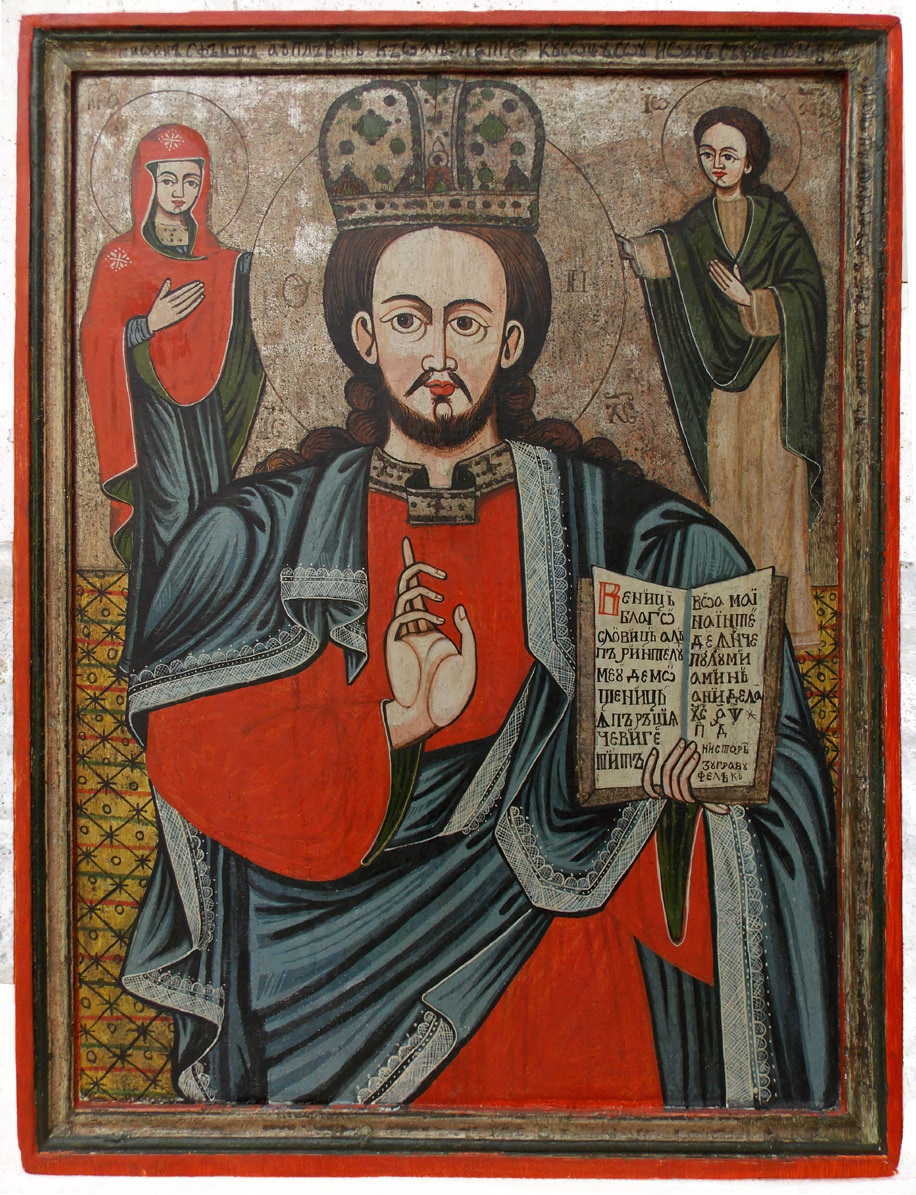
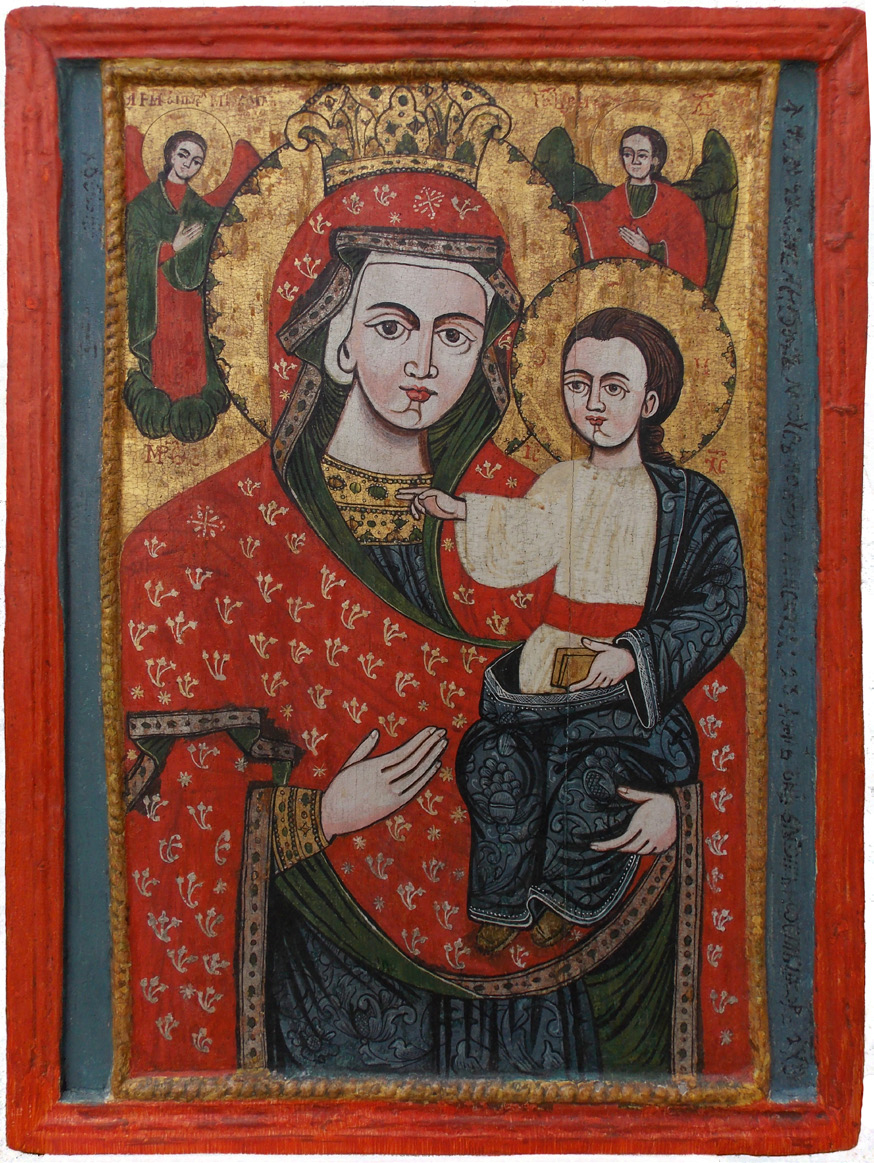
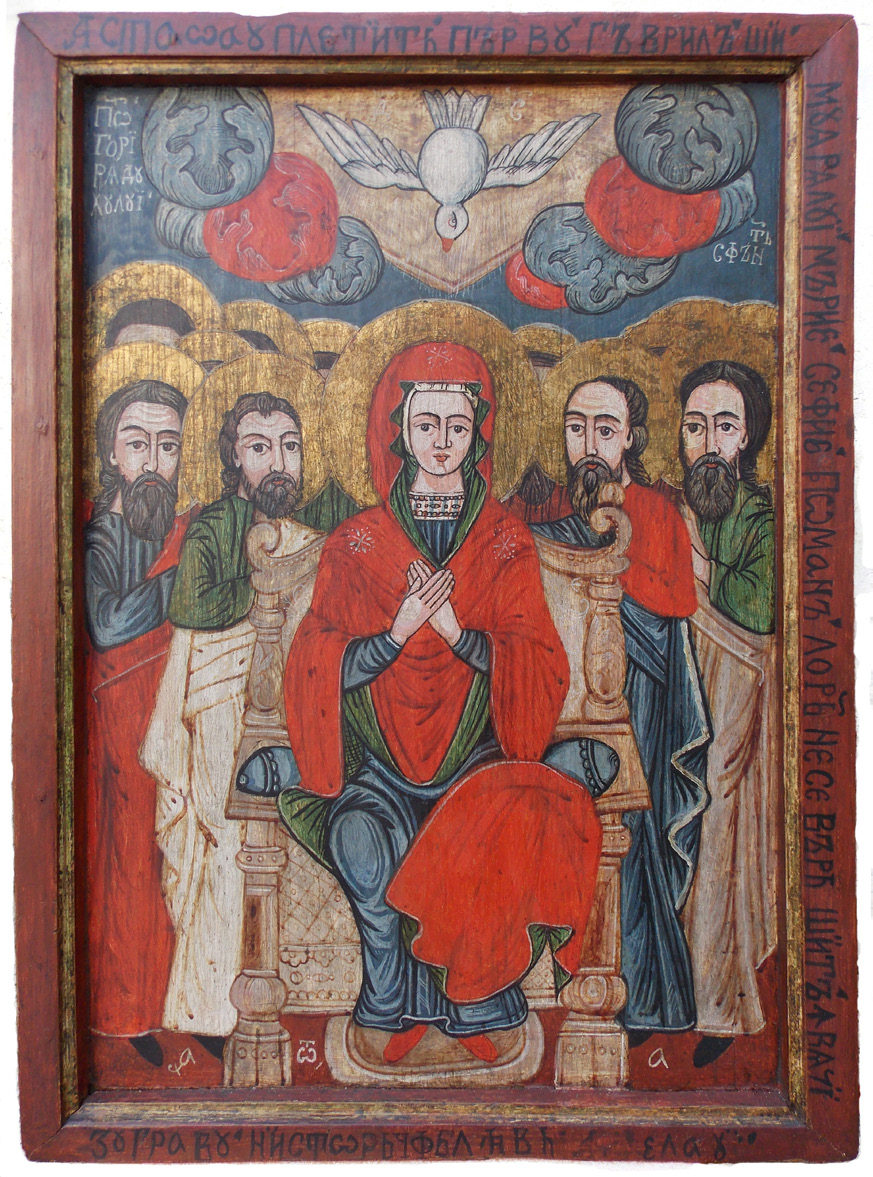
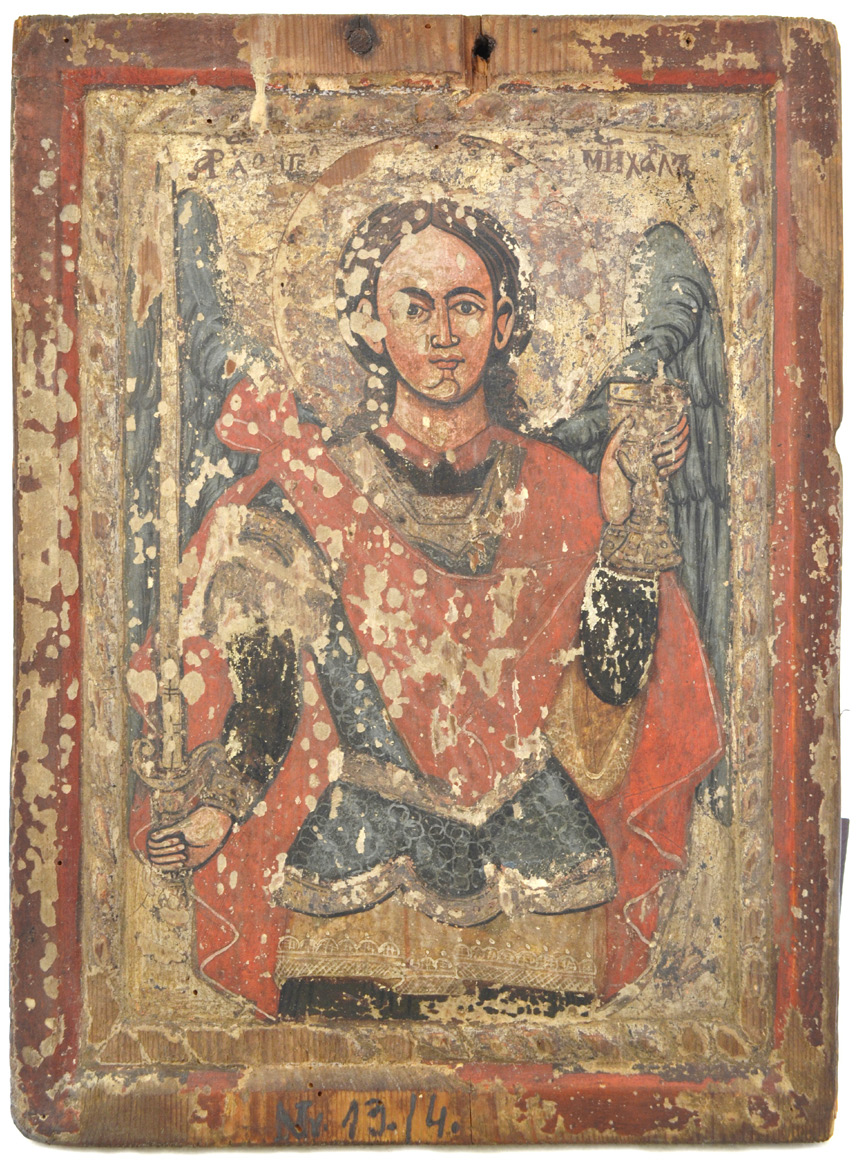
Painter Nistor from Feleac in the Collections of the Metropolitan Museum of Cluj

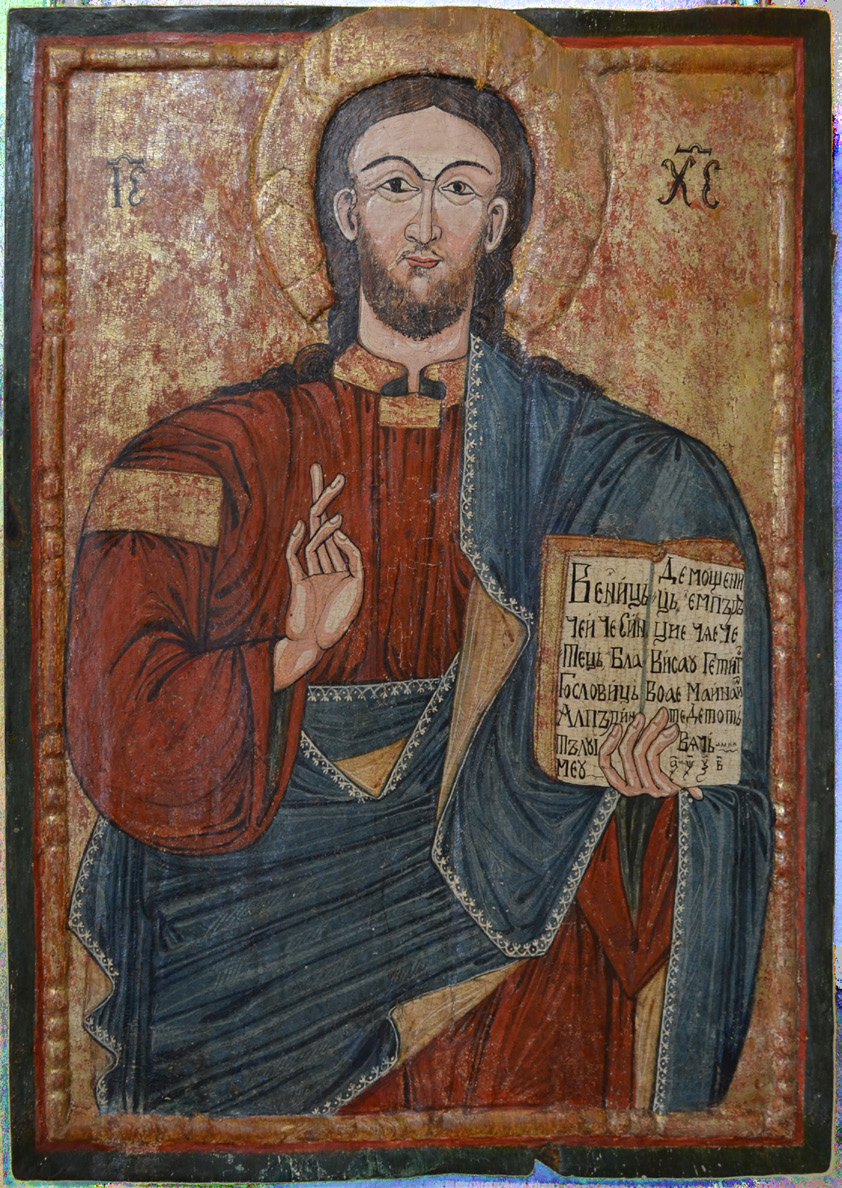
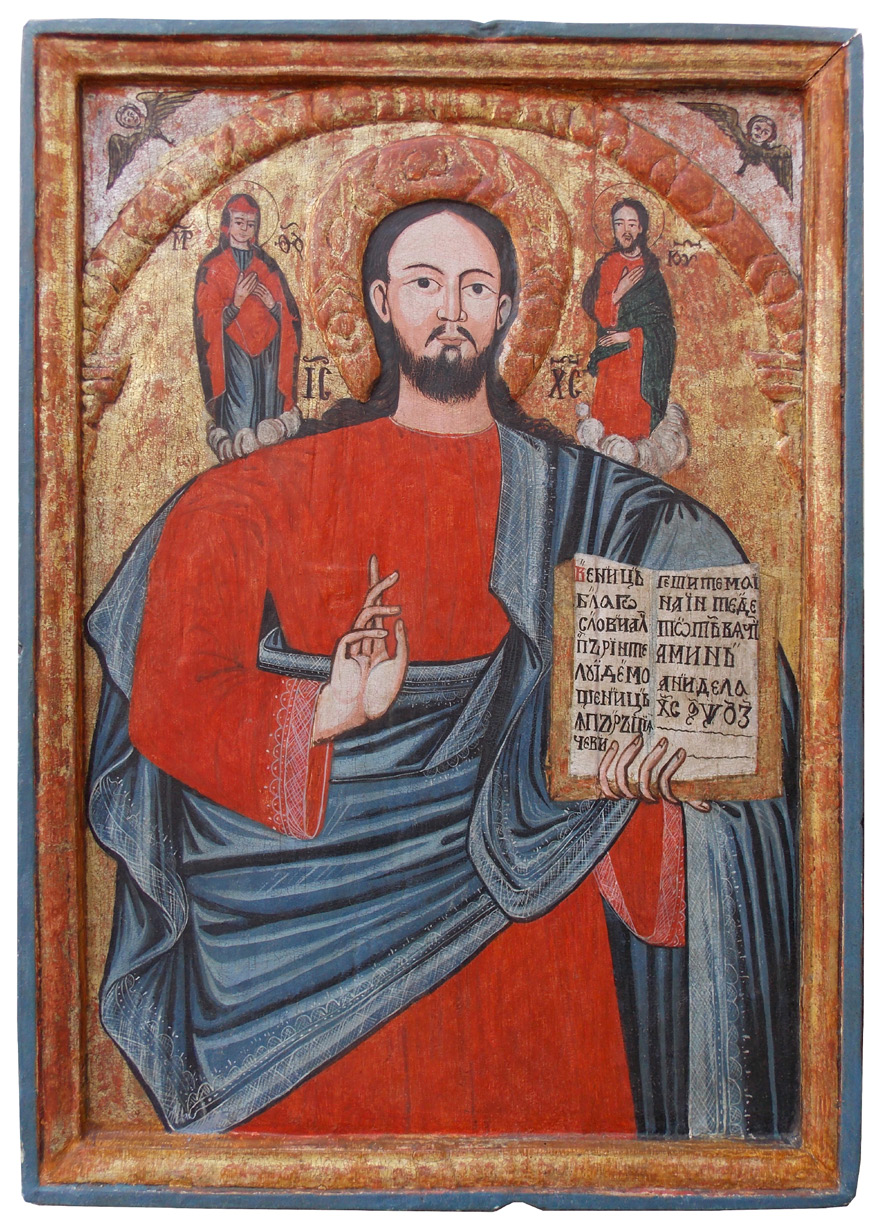
This study aims to configure the artistic personality of the painter Nistor from Feleac by analyzing his icons made in the period 1777-1801, kept in the collection of the Museum Metropolitan of Cluj. Seven of the sixteen icons are unique. The manner in style and technique used by Nistor, certify him as an apprentice of the painter Nechita, painter particularly active from 1740 until near the end of the century.

Keywords: Nistor, Nechita, Feleac, Painter, icons, Metropolitan Museum, Cluj-Napoca

  • Dumitran, Ana, „Siladi Șimon, ucenicul jupânului Andraș din Cluj”. Parcurs retrospectiv în căutarea unui maestru / «Simon Siladi disciple of master Andraș from Cluj». A retrospective view in search of a master, în Apvlvm L, series Historia & Patrimonium, Alba Iulia, 2013.
  • Iorga, Nicolae, Scrisori şi inscripţii ardelene şi maramureşene / Transylvanian and Maramures letters and inscriptions, vol. II, Bucureşti, 1906.
  • Ștefan, Meteș, Zugravii bisericilor române / Romanian churches painters, în Anuarul Comisiunii Monumentelor Istorice, Secţia pentru Transilvania, 1926-1928, Cluj-Napoca, 1929.
  • Miron, Greta-Monica, “… porunceşte, scoalete, du-te, propovedueşte …” Biserica Greco Catolică din Transilvania. Cler şi enoriaşi (1697-1782) / „… command, rise, go, preach…” Greek Catholic Church in Transylvania. Clergy and parishioners (1697-1782), Editura Presa Universitară Clujeană, Cluj-Napoca, 2004.
  • Pâclișanu, Zenovie, Vechile mănăstiri românești din Ardeal / The old Romanian monasteries in Transylvania, în Cultura creștină, nr. 7-8, aprilie 1919.
  • Porumb, Marius, Contribuţie la cunoașterea unui meșter zugrav din veacul al XVIII-lea – Nistor Zugrav din Feleac / Contribution to the knowledge of a painter from eighteenth century – Painter Nistor from Feleac, în Studia Universitatis Babeș-Bolyai, Historia 13, Fasciculus 1, 1968.
  • Porumb, Marius, Contribuţii la cunoaşterea unor zugravi din veacul al XVIII-lea din Transilvania / Contributions to the knowledge of painters from eighteenth century in Transylvania, în Acta Musei Napocensis, VIII, 1971.
  • Porumb, Marius, Zugravi şi centre româneşti de pictură din Transilvania secolului al XVIII-lea / Painters and Romanian painting centers in Transilvania from eighteenth century, în Anuarul Institutului de Istorie şi Arheologie Cluj-Napoca, XIX, 1976.
  • Porumb, Marius, Contribuţii privind pictura românească din secolul al XVIII-lea în jurul oraşului Turda / Contributions to the Romanian painting from eighteenth century around the city of Turda, în Potaissa. Studii şi comunicări, I, 1978.
  • Porumb, Marius, Dicţionar de pictură veche românească din Transilvania. Sec. XIII-XVIII / Dictionary of old Romanian painting in Transylvania, Editura Academiei Române, Bucureşti, 1998.
  • Porumb, Marius, Un veac de pictură românească din Transilvania. Secolul XVIII / A century Romanian painting in Transylvania. The eighteenth century, Editura Meridiane, Bucureşti, 2003.
  • Porumb, Marius, Biserica Arhiepiscopală din Feleac, ctitoria lui Ștefan cel Mare / Feleac Archdiocesan Church, founded by Stefan cel Mare, Renașterea, Cluj-Napoca, 2003Porumb, Marius, Muzeul Mitropoliei Clujului / Metropolitan Museum of Cluj, în Ars Transsilvaniae, Cluj-Napoca, 2012.
Fig. 1. Deisis, Nistor Zugravul (atribuire), Boju, 1777
Fig. 2. Sfântul Nicolae, Nistor Zugravul (atribuire), Boju
Fig. 3. Deisis, Nistor Zugravul, Luna de Sus, 1784
Fig. 4. Maica Domnului cu Pruncul, Nistor Zugravul (atribuire), Luna de Sus
Fig. 5. Pogorârea Duhului Sfânt, Nistor Zugravul, Petreştii de Jos, 1801
Fig. 6. Arhanghelul Mihail, Nistor Zugravul (atribuire), Muntele Băişorii
Fig. 7. Maica Domnului cu Pruncul, Nistor Zugravul (atribuire), Turda
Fig. 8. Deisis, Nechita Zugravul (atribuire), 1762, Feleac
Autor: Claudia URDUZIA
Email: claudiaurduzia@yahoo.com

Clay cauldrons discovered in the medieval settlement from Miercurea Băi – Cunţa (Sibiu County)

The following paper is concerned with the clay cauldrons discovered during 2012 in a medieval settlement found in the area of Miercurea Băi – Cunţa (Sibiu County) and conventionally named MS I. From some houses and annexes and also from some pits a relatively high number of clay cauldrons’ fragments were retrieved, from which 110 exemplars can be considered as belonging to distinct vessels. From the analyzed cauldrons only a few have ornaments and only one displays a sign on the rim, between the two orifices of the ear. The analogies with the items found in the adjacent territories (Hungary, Slovakia), but also with those found in other Transylvanian sites, led us to date the lot from Miercurea Băi – Cunţa in the 11th-13th Centuries. This dating can be narrowed only considering the other items discovered in the same site.

Keywords: medieval archaeology, medieval pottery, clay cauldrons, Sibiu County, Transilvania, Romania, 11-13th Century.

  • Băcueţ, Dan, Observaţii privind tipurile de căldări de lut din Transilvania, Crișana și Banat (Notes concerning the types of clay cauldrons from Transylvania, Crișana and Banat), în Anuarul Institutului de Cercetări SocioUmane Sibiu, III / 1996.
  • Diaconu, Petre, Din nou despre căldările de lut (Once again about clay cauldrons), în Recenzii și discuţii arheologice, Călărași, 1994.
  • Hielscher, Kurt, Rumänien. Landschaft-Bauten-Volksleben, Leipzig, 1933.
  • Horedt, Kurt, Morești, Band 2 – Grabungen in einer mittelalterlichen Siedlung in Siebenbürgen, Bonn, 1984.
  • Ioniţă, Adrian, Așezarea din secolele XII-XIII de la Bratei (The 12th-13th Century settlement from Bratei), Sibiu, 2009.
  • Luca, S. A., Georgescu, A., Natea, Gh. V., Teodorescu, R. M., Urduzia, C., Munteanu, C. I., Palaghie, V., Luca, A., Cercetarea preventivă – provocarea arheologică a zilelor noastre (Preventive research – the archaeological challenge of our days), Sibiu, 2013.
  • Lukacs, Antal, Observaţii privind răspândirea căldărilor de lut pe teritoriul României (Notes concerning the occurrence of clay cauldrons on the territory of Romania), în SCIVA, 35/1984, p. 320;
  • Simina, Marcel, Căldări de lut din Transilvania și Crișana cu însemne pe buză (Clay cauldrons from Transilvania and Crișana with rim marks), în Arheologia Medievală, 1/1996, p. 55-67.
  • Takács, Miklós, A Korongolt, Korai ÁrpádKori Cserépbográcsok Formai Sajátságairól, în Népvándorláskor Fiatal Kutatóinak XX. Összejövetele, Budapest–Szigethalom, 2010, p. 265, fig. 8.9.
  • Takács, Miklós, Das Formenspektrum Der Tonkessel Im Karpatenbecken, în Archäologisches Korrespondenzblatt, 40 / 2010, p. 147.
  • Urduzia, Claudia, The medieval spurs discovered at Miercurea Băi – Cunţa (MS I) during the researches carried out on the highway Orăștie – Sibiu, în Brukenthal. Acta Musei, IX-1 / 2014

Istorie

Științele educației

Filozofie și studii politice

Stiintele comunicarii

Autor: Radu STĂNESE

Stelarc and his pain of flying

Stelarc is an Australian artist whose creation is dedicated in its entirety to the technological extension of the human body. He is the subject and the object of his own artistic experiments; his arguments on the post-human future seem to reach philosophical levels; however, upon closer inspection, he aims more or less voluntarily for an empathetic subliminal communication. The contradictory emotions stirred by the portrayal of his self-tortured naked body prove to be more convincing than his prophetic concepts. Stelarc the Cyborg completely contradicts the preconceived notion of the allpowerful robot by presenting himself as vulnerable and disarming to the public.

Keywords: Stelarc, extended-body, performance art, Third Hand, Virtual Hand, Fractal Flesh, Parasite, suspension, obsolete body, technology, medium, corporeality.

Autor: Mariia RUBTCOVA
Email: dsndfn@yandex.ru

How to Identify Negative Attitudes Towards Inclusive Education: Critical Discourse Analysis of Russian Transcripts Using Role and Reference Grammar

This paper is devoted to analysing the possibilities of Role and Reference Grammar (RRG) to promote the interdisciplinary research development within Critical Discourse Analysis (CDA). We use an example of the conflict over the opening of the inclusive education program at one of St. Petersburg’s secondary schools. Using Role and Reference Grammar, we show that the use of different verb types and macroroles has led to the different descriptions of the situation. In result we draw the conclusion that RRG could promote the increase of objectivity of the analysis of transcripts in qualitative social research. RRG provides new information which in combination with other methods can help us to understand the positioning of participants in a conflict situation

Keywords: role and reference grammar, inclusive education, qualitative social research in sociology of management

  • Alehina, S.V., 2012a. Challenges and tendencies of school inclusive practice in Russian education. Kursk: Regional Open Social Institute, Russia.
  • Alehina, S.V., 2012b. Inclusive education in Russia: State and development trends. Moscow, Russia.
  • Butenko, A. &  Chistokhina, A.,  2015.  Inclusion  education:  analysis  of  Russian  teachers’  expectations  and  important  aspects  of  school  personnel  training.  Revista  Electrónica  Interuniversitaria  de  Formación  del  Profesorado,  18  (1),  201-209.
  • Dowty, D. R. 1979. Word Meaning and Montague Grammar. The Semantics of Verbs and Times in Generative Semantics and in Montague’s PTQ. Dordrecht (Holland): Reidel
  • Filip, H. 2009. Aspectual class and Aktionsart. Retrieved from:  http://user.phil-fak.uni-duesseldorf.de/~filip/ filip.handbook.2011.pdf. (10/05/2015)
  • Godovnikova, D. 2009. The conditions for the integrated education of children with impaired development. Russian Education and Society, 51(10), 26-39.
  • Iarskia-Smirnova, E. 1999. What the Future Will Bring I Do Not Know: Mothering Children with Disabilities in Russia and the Politics of Exclusion. Frontiers: A Journal of Women’s Studies 20 (2): 68-86
  • Iarskia-Smirnova, Elena. 2001. Social Change and SelfEmpowerment: Stories of Disabled People in Russia. Disability and the Life Course: Global Perspectives, ed. Mark Priestley. Cambridge: Cambridge University Press, 101-112.
  • Korkunov, V.V., Nigayev, A.S., Reynolds, L.D., & Lerner, J.W. 1998. Special education in Russia: History, reality, and prospects. Journal of Learning Disabilities, 31(2), 186-192
  • MK, 2015 Official site of the «Moskovsky Komsomolets» newspaper http://www.mk.ru/social/2014/10/25/ moskovskie-roditeli-proveli-ocherednuyu-akciyuprotesta.html  (10/05/2015)
  • Padučeva, E. V. 1996 Semantičeskie issledovaniâ: Semantika vremeni i vida v russkom âzyke. Semantika narrativa. Moskva: Âzyki rus. kul’tury
  • Padučeva, E.V. 2009a. Struktura Sobytiâ: Semantičeskie Roli, Aspektual’’nost’’, Kauzaciâ. Naučno-tehničeskaâ informaciâ. Seriâ 2: Informacionnye processy i sistemy.  6: 38-44.
  • Padučeva, E.V. 2009b.  Leksičeskaâ aspektual’’nost’’ i klassifikaciâ predikatov po Maslovu – Vendleru (On lexical aspect and the Maslov-Vendler verbal taxonomy). Voprosy âzykoznaniâ. 6:3-20.
  • Paducheva, E.V.  2003 Is there an “anticausative” component in the semantics of decausatives? Journal of Slavic Linguistics, 11(1): 173–198.
  • Pavenkov, O. V, Pavenkov, V., & Rubtcova, M. V. (2015). The altruistic behavior: characteristic of future teachers of inclusive education in Russia. Procedia – Social and Behavioral Sciences. http://dx.doi.org/10.1016/j. sbspro.2015.03.003
  • Raymond, P. D. 1989. Disability as Dissidence: The Action Group to Defend the Rights of the Disabled in the USSR. In The Disabled in the Soviet Union: Past and Present, Theory and Practice, ed. William O. McCagg and Lewis Siegelbaum. Pittsburgh: University of Pittsburgh  Press: 235-252.
  • RCD, 2015. Website of the Russian Society of the Deaf: http://www.voginfo.ru/novosti/deafland/item/922FGOS.html (25/10/2015)
  • Rubtcova, M. V., & Martianova, N. A., 2013. Professionals and Clients: Struggle for Dominance in Conditions of Musical Inclusive Education. Historical, philosophical, political and legal sciences, cultural studies and art history. Theory and Practice. Tambov: Gramota, 11(37), Part II, 152-155.
  • Rubtcova, M., Pavenkov, O., Pavenkov, V., Martianova, N. & Martyanov, D. 2015. Deprofessionalisation as a Performance Management Dysfunction: The Case of Inclusive Education Teachers in Russia. Asian Social Science. 11(18), 339-349.
  • Ruiz Ruiz, Jorge, 2009. Sociological Discourse Analysis: Methods and Logic [71 paragraphs].  Forum Qualitative Sozialforschung / Forum: Qualitative Social Research, 10(2), Art. 26.
  • Roza, D. 2005. Inclusive education in Russia: A status report. Disability World, 27.
  • Smith-Davis, J. 2000. People with Disabilities in Russia: Progress and Prospects. In Cross-Cultural Perspectives on Quality of Life, ed. Kenneth D. Keith & Robert L. Schalock. Washington, D.C.: American Association on Mental Retardation: 219-229.
  • Thomson, K. 2006. Disability Organizations in the Regions. In Russian Civil Society: A Critical Assessment, ed. Jr. Alfred B Evans, Laura A. Henry and Lisa McIntosh Sundstrom. New York: M.E. Sharpe: 229245.
  • Van Dijk, T. A. 2009. Critical discourse studies: a sociocognitive approach. In Wodak, R. & Meyer M. (Eds.), Methods of Critical Discourse Analysis, 1-33 London: Sage
  • Van Dijk, T. A. 2013. Discourse and Power. Moskva: The book house, Librokom
  • Van Valin, R. D. Jr. 1993. A synopsis of Role and Reference Grammar. In Advances in role and reference grammar, / Van Valin, , ed ., 1–64. John Benjamins Publishing Company
  • Van Valin, R.D. Jr. & R. J. LaPolla, 1997. Syntax, Structure, Meaning and Function. Cambridge: Cambridge University Press
  • Van Valin, R.D. Jr. 2005. Exploring the Syntax-Semantics Interface. Cambridge: Cambridge University Press
  • Van Valin, R.D. Jr. 2005. Exploring the Syntax-Semantics Interface. Cambridge: Cambridge University Press
  • Van Valin, R. D. Jr. 2007. The Role and Reference Grammar Analysis of Three-Place Predicates.  Suvremena Lingvistika. 63 (1):31-64.
  • Vendler, Z. 1967. Linguistics in Philosophy. Ithaca, N. Y.: Cornell Univ. Press. Wodak, R. & Meyer, M. (eds.) 2001. Methods of Critical Discourse Analysis. London: Sage.
Autor: Iulia LUCA
Email: iul79luc@gmail.com

The Research Agenda of the E.U. In Brief, Focused on Innovation

The development of the E.U. became ever more rapid and irreversible during the last thirty years. It is the main aim of the following presentation to measure progress done and to offer a comprehensive sketch of the so much debated about research agenda of the E. U. and its very ambitious programs of reform and innovation. These could only be boosted by tremendous scientific development and technological advancement.

Keywords: reform, change, innovation, participation, renewable energy, renewal

  • European Commission Horizon. 30 Years EU Research Framework Programs 1984-2014. Luxembourg, Publications Office of the E.U., special issue March 2015, 44 p.
  • Europäische Kommission, Generaldirektion Kommunikation. Veröffentlichungen. Europa 2020. Europas Wachstumstrategie (Wachtsum für eine Zukunft mit zahlreichen Arbeitsplätzen ). Luxembourg, Amt für Veröffentlichungen der Europäischen Union. 2013.
  • European Commission. Research Projects and Studies 2011-2008. A Background document for the preparation of the strategic guidelines for road safety up to 2020. Luxembourg, Publications Office of the E.U., 2010.
  • European Commission. Innovating for Sustainable Growth. Luxembourg, Publications              Office of the E.U., 2012.
  • SERI. Previous EU Framework Programe. article found at the web address http: //www.Sbfi.admin.ch/ themen/01370/01683/02092, accessed on the 13 of October 2015
Autor: Octavia-Luciana MADGE
Email: octavialucianamadge@yahoo.com

Knowledge Organization: Research Tools concerning the Bilateral Relations of Romania

Knowledge organization and all initiatives in this area, as well as the tools developed over time for this purpose, have always been accompanied by numerous challenges. The bibliography, although among the oldest tools of knowledge organization, still proves its value, especially in the context of the quantitative developments in contemporary society and of the technological progress. This paper presents a recent initiative in the field of knowledge organization, namely a project started in 2011 at the level of the Department of Information and Documentation Sciences within the Faculty of Letters at the University of Bucharest. The project consists in a series of bibliographical tools which cover Romania’s bilateral relations with different states. The three bibliographies completed to date within this series are mentioned, the paper focusing on the last appearance (the first part of the bibliography concerning the Romanian-Czech relations), on the challenges and difficulties encountered in its achievement, but also on the latest endeavour within this vast project, the initiation of the actions for developing an online tool, a platform to provide the academic and research community, as well as the general public, with a flexible, user-friendly information tool for retrieving scientific literature on RomanianBritish relations, and which will contribute to the research process by facilitating access to information and orientation of research.

Keywords: knowledge organization, research tool, bibliography, bilateral relations, Romania

  • Anderson, J. D. Organization of Knowledge. In: International Encyclopedia of Information and Library Science, edited by J. Feather, P. Sturges. London & New York, Routledge, 1996.
  • Davenport, T. H.; Prusak, L. Working Knowledge. How Organizations Manage What They Know. Boston, Harvard Business School Press, 1998.
  • Hjørland, B. “Arguments for ‘the bibliographical paradigm’. Some thoughts inspired by the new English edition of the UDC”. Information Research, 12(4) paper colis06, 2007. Available at:
  • Hodge, G. Systems of Knowledge Organization for Digital Libraries: Beyond Traditional Authority Files, 2000. Available at: http://www.clir.org/pubs/reports/ reports/pub91/contents.html [accessed 11 April 2015].  http://InformationR.net/ir/12-4/colis/colis06.html [accessed 11 April 2015].
  • Line, M. B. Librarians and Knowledge. In: Knowledge and Communication. Essays on the Information Chain, edited by: A. J. Meadows. London, Library Association Publishing, 1991.
  • Madge, O. L. (ed.). Relaţii româno-cehe: bibliografie generală. Partea 1. Monografii și contribuţii la volume monografice / Rumunsko-české vztahy: všeobecná bibliografie.Část 1. Monografie a příspěvky v monografických publikacích. București, Editura Universităţii din București, 2014. Fascicula I. 276 p.; Fascicula II. 592 p.
  • Ministerul Afacerilor Externe, Relații bilaterale. Regatul Unit al Marii Britanii și al Irlandei de Nord. Available at: http://www.mae.ro/bilateral-relations/1723#843 [accessed 11 April 2015].
  • Rowley J. Organizing Knowledge. Bower, Bookfield, 1995. Smiraglia, R. P. Cultural Synergy in Information Institutions. New York, Springer, 2014. Available at: http://www. springer.com/gp/book/9781493912483 [accessed 11 April 2015].
  • Stoica, I. Cuvânt înainte (Foreword). In: Relaţii românocehe: bibliografie generală. Partea 1. Monografii și contribuţii la volume monografice / Rumunsko-české vztahy: všeobecná bibliografie.Část 1. Monografie a příspěvky v monografických publikacích (Romanian-Czech relations), edited by O. L. Madge. București, Editura Universităţii din București, Fascicula I, 2014.
Autor: Sorina STANCA
Email: sorina_stanca@yahoo.com

The Local Cultural Patrimony Capitalized through the Europeana Portal

The article is an overview of the digitization process in Europe and Romania, starting with Lund Principles and continuing with European initiatives for IT supporting and promoting the cultural heritage for all by establishing Information Society Technologies, Framework Programme FP5 and FP6. An important step toward digitization in Europe was made in August 2006, when the Commission adopted a Recommendation on digitisation and digital preservation which urged EU Member States to set up large-scale digitisation facilities and to tackle copyright related issues, to accelerate the process towards the European digital library. Romania made a few steps forward by elaborating the document: Public Policy for the digitization of cultural resources and the realization of the Digital Library of Romania and also an Action Plan for that. Unfortunately the budget to support this policy was not allocated.
Keywords: Digitization, cultural heritage, public libraries, Europeana

  • Alice Prochaska, Colecţiile speciale din perspectivă internaţională / Special Collections in International Perspective, in Biblioteconomie. Culegere de traduceri prelucrate / Biblioteconomy. A Collection of Arranged Translations, București, Biblioteca Naţională a României, Anul XL, nr. 2, 2005, p. 82
  • Anca Andreescu, Colecţii speciale / Special Collections, in Revista Română de Biblioteconomie și Știinţa Informării, Anul 6, nr. 2, 2010, pp. 65-68
  • Biblioteca Digitală Naţională [on line] [2007]; citit la 2 aprilie 2015; disponibil la http://www.bibnat.ro/ Biblioteca-Digitala-Nationala-s135-ro.htm
  • Dan Matei, Spre Europeana.eu: o introducere în bibliotecile digitale / Towards Euroeana.eu: An Introduction in Digital Libraries, București, CIMEC, 2009, p. 7
  • Elemente semantice Europeana citit la 19 mai 2012; disponibil la http://culturalia.pbworks.com/f/ Specificarea-ESE-v3-1-ro.pdf
  • Elena Târziman, Biblioteca digitală – o încercare de definire / Digital Library – An Attempt to a Definition, in Revista Biblioteca, nr. 6, 2005, p.175
  • Europeana Data Model, citit la 20 mai 2015; disponibil la http://pro.europeana.eu/page/edm-documentation
  • Europeana Semantic Elements [on line] 2009 iun. 8; citit la 10 iun. 2010; disponibil la http://version1.europeana. eu/c/document_library/get_file?uuid=104614b71ef3-4313-9578-59da844e732f&groupId=10602
  • Fondul Documentar despre București, citit la 4 mai 2015; disponibil la http://old.bmms.ro/continut/xhtml/ro/ filiale/P58_18.html
  • Georgeta Penelea-Filiti, Lia Brad-Chisacof, Comorile unei arhive / The Treasures of an Archive, București, Editura Demiurg, 1996, p.5
  • Ghidul de digitizare [on line] 2009 oct. 30; citit la 12 iun. 2015; disponibil la http://www.bibnat.ro/dyndoc/Ghid%20de%20digitizare_Pilonul%20tematic_ Biblioteci_versiunea01_25_11_2009.pdf
  • Prezentare Biblioteca Digitală a Bucureștilor citit la 11 mai 2015; disponibil la http://digibuc.ro/statutul-bibliotecii Proiectul EuropeanaLocal citit la 19 dec. 2014; disponibil la http://www.europeanalocal.eu/eng
  • Stadiul actual, etapele, nevoile de echipament și instruire ale bibliotecilor publice în vederea realizării Bibliotecii Digitale a României [on line] 2008; citit la 21 nov. 2014; disponibil la http://www.bibnat.ro/dyn-doc/ Studiu%20Fezabilitate/Studiu-ANBPR.pdf
  • Strategia Bibliotecilor din România [on line] 2007; citit la 8 feb. 2014; disponibil la http://www.bibnat.ro/StrategiaBibliotecilor-din-Romania-s35-ro.htm#d2
  • Studiu de fezabilitate privind digitizarea, prezervarea digitală și accesibilitatea on-line a resurselor bibliotecilor [on line] 2007; citit la 8 feb. 2010; disponibil la http:// www.bibnat.ro/dyn-doc/2_3_b.pdf
  • The European Library citit la 10 iul. 2014; disponibil la http://search.theeuropeanlibrary.org/portal/ro/index. html
Autor: Camelia FIRICĂ, Jean FIRICĂ
Email: cameliafirica56@gmail.com, firicajean@yahoo.com

Does English take priority in a multilingual Europe? 

Incentives deriving from the attractive career prospects that arise from the rights which ever more citizens have acquired following the European Union enlargement through the accession of new member states, part of which managed to shake off the yoke of the communist Eastern bloc, called forth an increase in the mobility of the European population. For most of these people, Romanians being among them, who chose to make their way in countries whose language they did not speak, English was not just a means of communication but also the only tool that, to a greater or lesser extent, helped them become familiar with the vernacular languages.  The opening of new horizons prompted Romanians to engage in foreign language study from a very early age, English being favoured. In is turn this language came towards people by the unprecedented global economic and technologic developments. Multilingualism became one of the European Union’s language policy objectives. The paper tackles, on one hand, the problem of multilingualism in the present European context and of the importance English holds in the process of teaching other languages – Romanian especially in the Romanian language departments abroad

Key words: multilingualism, globalisation, foreign language, English, Romanian.

  • Athanassiou, Phoebus. The Application Of Multilingualism In The European Union Context, in European Central Bank, Legal Working Paper Series, 2/ 2006, pp. 4-36, article available on the web at: https://www.ecb.europa. eu/pub/pdf/scplps/ecblwp2.pdf
  • Chinnammai, S. Effects of globalisation on education and culture, ICDE International Conference, November 1923, 2005, New Delhi, p. 1, available on web at http:// guidedresearchwriting.pbworks.com
  • Crystal, David. English as a global language, Second edition. Cambridge, University Press, 2003
  • Gorter, Durket et all. Benefits of linguistic diversity and multilingualism, in Sustainable Development in a Diverse World ”Cultural diversity as an asset for human welfare and development”, 2006, pp 2-45, available on web at http://www.susdiv.org
  • Graddol, David. The future of English? London,, The British Council, 2000, available on the web at http://www. webalice.it/t.christiansen/learning-elt-future.pdf
  • Graf, Peter. Europa als Ursprung und Perspektive schulischer Bildung, in Rainer Künzel: Europäische Perspektiven – Perspektiven für Europa. Osnabrück, 1995, pp. 125-136
  • Graf, Peter. Multilingual School Education as a Key Qualification in the European Employment Area in European Journal of Vocational Training 18/1999, pp. 39 – 46, available on web at http://www.cedefop. europa. eu/EN/Files/18-EN.pdf
  • House, Juliane. English as a lingua franca: A threat to multilingualism?, in Journal of Sociolinguistics 7/4, 2003, pp. 556-578
  • Hüning Matthias et all. Standard Languages and Multilingualism in European History, Philadelphia, John Benjamins Publishing Company, 2012
  • Nicolae, Mariana. Training and Development in Transition. A Romanian Perspective, in Teachers Develop Teachers Research, IATEFL, UK, 1998
  • Phillipson, Robert. English-only Europe? Challenging language policy. London and New York: Routledge, 2003
  • Pricopie, Remus et all. Analiza Diagnostic ”Universităţile, în Contextul Europenizării și Globalizării” 2010, available on the web at http://www.edu2025.ro/UserFiles/File/ LivrabileR1/diagnostic_panel5.pdf
  • Romanian Statistical Yearbook, Education, 2005, available on the web at http://www.insse.ro/cms/files/pdf/ro/cap8.pdf Thomason, Sarah G. Language contact. Edinburgh, University Press, 2001
  • Sonntag, Selma. The Local Politics of Global English: Case Studies in Linguistic Globalization. Maryland, Lexington Books, 2003
  • Zeevaert, L & Thije, J.D. ten. Introduction. In J.D. ten Thije & L Zeevaert (Eds.), Receptive Multilingualism. Linguistic analyses, language policies and didactic concepts (pp. 1-25). Amsterdam, Benjamins, 2007, available on web at http:// www.jantenthije.eu/wp-content/uploads/2010/08/2007zeevaert-tenthije-introduction.pdf

Etnografie si folclor

Fizica speculativa

Recenzii

Economie

Artele spectacolului

Eveniment