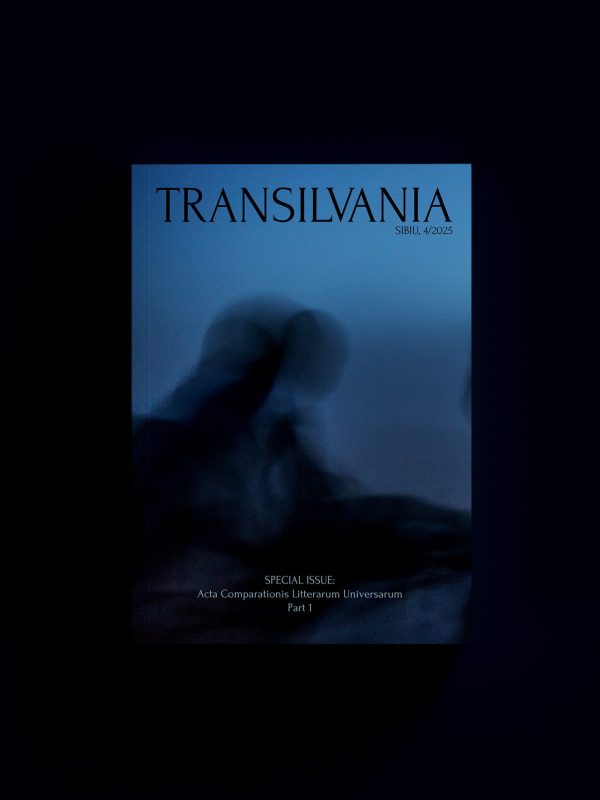
Abstract: This article examines the role of Hugo Meltzl and the journal Acta Comparationis Litterarum Universarum in shaping the field of comparative literature in the context of World Literature debates. While recent contributions have heralded Meltzl as a pioneering figure advocating for a non-Western-centric foundation of comparatism, the study pleads for a historicized reassessment of Acta Comparationis as a product of the Austro-Hungarian Empireʼs linguistic and identity politics. This exploration reveals the interplay between Meltzlʼs advocacy for polyglottism and the imperial agendas of his time, suggesting that his contributions were shaped by the political and cultural dynamics of the Habsburg context. Lastly, the article scrutinizes Meltzlʼs approach to minor literatures, revealing both an archival ambition, in line with the anthropological presuppositions of the nineteenth century, and a tendency to frame these literatures within Eurocentric paradigms. A close examination of the journal uncovers the tensions between Meltzl’s universalist ambitions and the realities of cultural or political hierarchies that molded the Acta Comparationisʼs actual material.
norabahis
Keywords: Hugo Meltzl, comparative literature, postcolonialism, Acta Comparationis Litterarum Universarum, Austro-Hungarian empire.
Acknowledgement: This work was funded by the EU’s NextGenerationEU instrument through the National Recovery and Resilience Plan of Romania—Pillar III-C9-18, through the project A Global History of Romanian Comparatism: A Case Study in Inter-Imperial Comparative Literature (1877-1944), PNRR-III-C9-2023-I8-CF 22/27.07.2023, contract no. 760276/26.03.2024.
Powered By EmbedPress